Data show that most fatal drowning among 18- to 34-year-olds occurs among men in natural bodies of water such as lakes and rivers. Swimming is the most common activity at the time of the incident, but boating activities such as powerboating, fishing, and canoeing are also common.
Risk-taking behaviours extend into adult years. This includes the reckless operation of motorized vehicles and the consumption of alcohol and drugs. Young men are more likely to participate in risky behaviour than young women, most often when they are alone or with their male friends. Common risk factors involved in fatal drowning among this age group include:
- Not wearing a lifejacket or PFD.
- Drinking alcohol or using recreational drugs while in, on, or around the water.
- Swimming, boating, or fishing alone.
- Going in or on the water in unsafe environmental conditions, such as cold and/or rough water.
:::
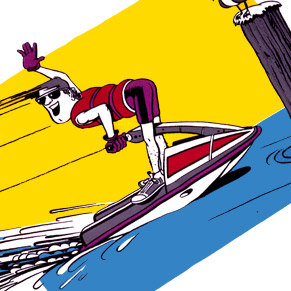
Drowning prevention tips
Buy yourself time: wear your lifejacket.
Many people who die from drowning never intend to get in the water. Trying to put a lifejacket on just before you capsize is like trying to buckle a seat belt just before you have a car crash. Wear your lifejacket or PFD every time you go out on the water.
Nearly all natural water bodies in Canada remain cold enough year-round to cause hypothermia if you are not prepared. Heavy gasping, uncontrollable hyperventilation and cold shock can occur in just the first minute of entering cold water. If the cold shock doesn't kill you, time in the water will. If you're wearing your lifejacket, you'll float and have a better chance of surviving a fall into cold water.
If you drink, don't drive your boat.
Boating or swimming under the influence of alcohol or drugs dramatically increases the risk of serious water-related injury or fatality. In Ontario, if you are convicted of driving a boat while under the influence, you will lose your license to operate your boat and your car. Always boat sober – even as a passenger.
Learn to swim.
Knowing how to swim is a life skill for all ages. It is never too late to learn!
In its Swim to Survive® Standard, the Lifesaving Society defines the minimum standard of swimming skill: roll into deep water, tread water for one minute, swim 50 metres. These are the essential minimum skills required to survive an unexpected fall into deep water.
Swim to Survive® is only a first step to being safe around water. The Lifesaving Society's Swim and Lifesaving programs offer a wide range of aquatic training well beyond Swim to Survive® and for participants of all ages.
Get trained, go prepared.
Lifesaving and lifeguarding courses such as the Bronze Medallion and National Lifeguard teach safe rescue of self and of others. Regardless of what aquatic activity you are participating in, having the skills to respond safely in case of an emergency can save lives.
The Canadian Coast Guard reports that most calls for help are for preventable non-distress incidents such as broken-down boats, boats run aground or boats that are out of gas. Have a proper checklist for your boat and review it before you head out. Make sure that your boat is mechanically sound and that you have enough gas for your intended trip. File a float plan to help Search and Rescue find you in the event of a real emergency.
All operators of recreational powered craft are required to obtain a Pleasure Craft Operator Card. This requires passing a written test demonstrating knowledge of the basics of boating safety, including the rules of the road on the water.
Take a buddy, be a buddy.
Knowing how to swim is a great first step to staying safe while in, on and around the water. However, even good swimmers can get into trouble. Always swim and boat with a buddy so that there is someone who can call for help in an emergency. Learn lifesaving skills so you know self-rescue techniques and how to safely help others when they need you.
Check the ice before you go on it.
Clear, hard, new ice is the only kind of ice recommended for travel. Avoid slushy ice, ice on moving water (rivers, currents), or ice that has thawed and refrozen. Keep away from unfamiliar paths, unknown ice and avoid travelling on ice at night. Remember, ice quality and thickness varies across a body of water and both can change very quickly.
Wear a thermal protection buoyant suit to increase your chance of survival if you go through.
Dog walkers need to be careful. Year after year, owners drown trying to rescue their dogs.
Learn more about ice safety here.